By Eva Nika, Area Vice President of Operations
Luxury hospitality is a people-intensive business that often mistakes management for leadership. Many organizations hire managers to oversee operations, checklists, and spreadsheets, but they fail to develop leaders who can inspire a team. A manager who operates on autopilot cannot handle the unpredictable nature of a 5-star resort. True leadership requires a shift in focus from the task to the person performing it. My 20 years in this industry have taught me that success is not about where you start your career. It is about how many people you bring to the top with you.
Developing a leadership team requires more than operational oversight. It requires a commitment to mentorship that begins on the first day of onboarding. When a new leader joins a team, they must first learn to lead by example. If a leader cannot demonstrate the standards they expect, they will never gain the trust of their associates. Building a winning culture starts with the leader being the first one to model the behavior, presentation, and tone they want to see across the property.
The Difference Between Managing and Leading
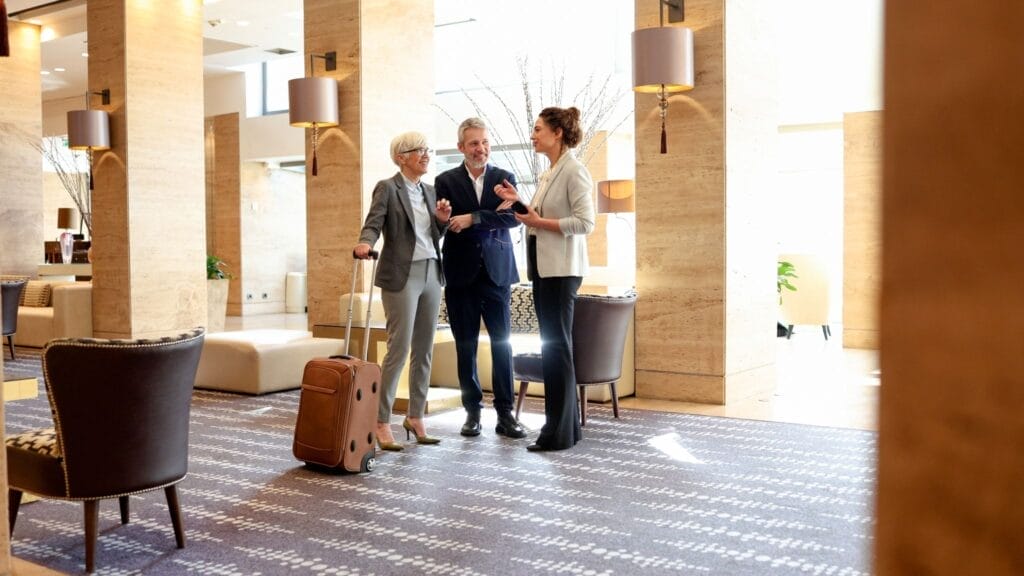
Many properties struggle with high turnover and low morale because their managers focus strictly on techniques rather than people. They treat the staff as tools to complete a job rather than as individuals with potential. This mechanical approach to leadership creates a disconnect that guest service scores eventually reflect. If a leader does not know how to connect with their team, they cannot manage the complex human variables that define a luxury stay.
Advancing from a manager to a leader requires a focus on mentorship. This process involves teaching new managers to lead by example first. A leader should never ask a team member to do something they are not willing to do themselves. By demonstrating operational proficiency and a passion for service, a leader earns the respect required to guide a team through a difficult shift. Effective mentorship turns a standard manager into a confident leader who understands that their primary job is to support the people under their command.
Remote leadership in hospitality has unique challenges, specifically when it becomes disconnected from the day-to-day reality of property operations. In a service-driven environment, the details on the floor matter—small inconsistencies can directly impact the guest experience and, ultimately, the brand. Leaders who are not regularly present on property may find it harder to fully understand these nuances. They can miss early signs of operational strain, team fatigue, or opportunities for coaching and development. Physical presence allows leaders to build stronger relationships, reinforce culture in real time, and support their teams more effectively.
In hospitality, strong leadership is not just about oversight—it’s about visibility, connection, and engagement. The most effective leaders find ways to stay closely connected to their teams and the operation, ensuring that standards, culture, and performance are consistently aligned with the brand’s expectations.
Leadership through presence involves frequent, nonhostile observation. Walking the floors and engaging with the team one on one allows a leader to understand the hardships of the job. This direct engagement builds a connection that reports cannot provide. It involves knowing each team member personally and understanding their family situations, their health, and their goals. When a leader is willing to take off their jacket and help vacuum or clean a room, they show the team they are there for support rather than just for inspection. This visibility builds the trust that a property needs to maintain 5-star standards.

Protecting Confidence Through Support
New leaders often fear making mistakes. This fear can lead to hesitation and a loss of confidence when a goal is missed or a week becomes difficult. If a leader feels they are being attacked for their failures, they will stop taking the initiative. This creates a culture of stagnation where managers only do the bare minimum to avoid trouble. A leader who lacks confidence cannot project the authority needed to manage a large department.
Building confident leaders requires an open-door policy and a reliable safety net. A mentor must be available to listen when a manager feels overwhelmed. Providing a space for a leader to vent their frustrations prevents that stress from reaching the frontline team. It is essential to teach managers that a rough day is just a day and that mistakes are opportunities for guidance. By offering 24-hour support and breaking the ice with a sense of humor, a senior leader helps a manager regain their focus and continue their development without fear of judgment.
Investing in Your Team
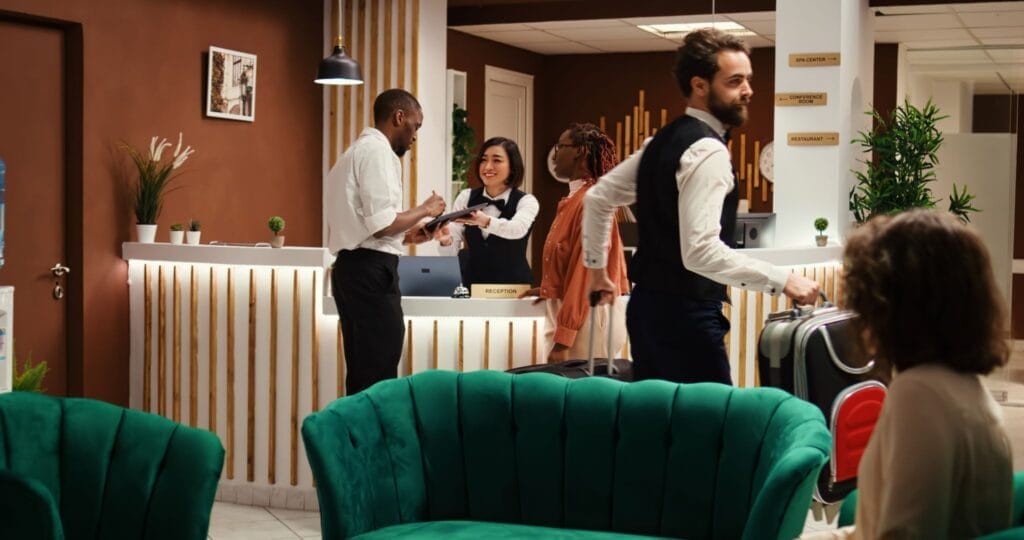
Many organizations look outside for leadership talent before checking their internal ranks. This ignores the potential of the people already working on the property and damages the morale of ambitious associates. If a team does not see a path to the top, they will take their skills elsewhere. Identifying who is ready for a leadership role requires constant observation and a willingness to invest in someone who may not yet believe in themselves.
Promoting from within should always be the first priority for a luxury brand. Identifying a potential leader involves watching how they handle their current tasks and how they interact with their peers. Once a candidate is identified, a leader must push them out of their comfort zone. This involves investing time in their training and guiding them through new challenges. A mentor must sometimes see the potential in a leader before that individual sees it in themselves. Pushing a teammate to take the next step, even when they feel a lingering fear of failure, is how a leadership pipeline is built.
TSC’s Approach to Building Leaders
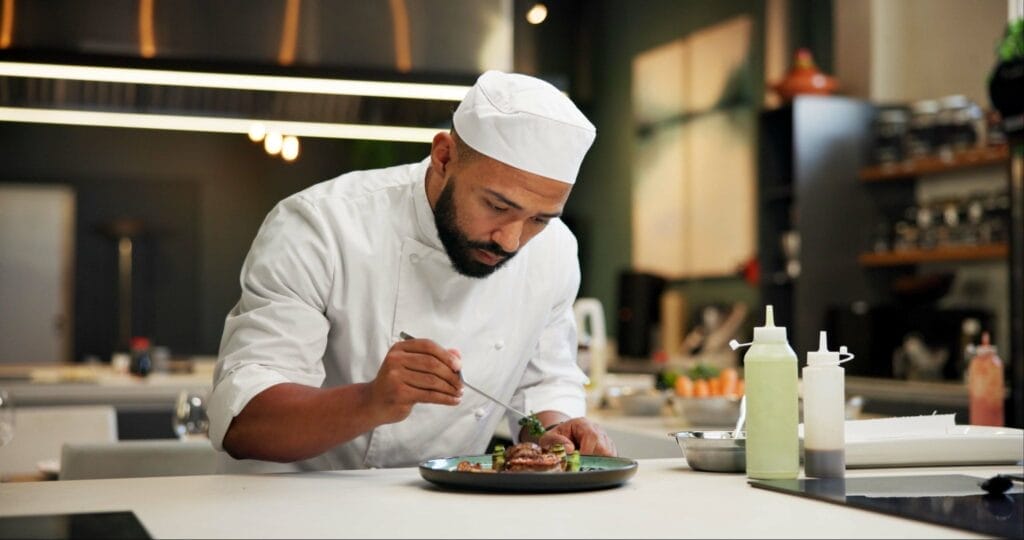
Operational excellence in hospitality is a direct result of leadership development. A property that invests in its leaders creates a stable environment where associates feel supported and guests feel the difference in service quality. When we share our training and development process with a client, we build a deeper level of trust. The client knows that we are not just providing labor. We are providing a structured system of leadership that protects their brand and supports their staff.
The Service Companies (TSC) focuses on this symbiotic growth by looking inside our organization for talent before searching elsewhere. We believe in training, guiding, and supporting our leaders so they can bring their own teams to the top. By practicing leadership through presence and accountability, we ensure that every TSC leader is an ambassador for excellence. Our philosophy is simple. We do not just build properties. We build the people who lead them. Connect with our team today to learn how our focus on leadership and mentorship can support your property’s long-term success.